By Sanni September 1, 2025
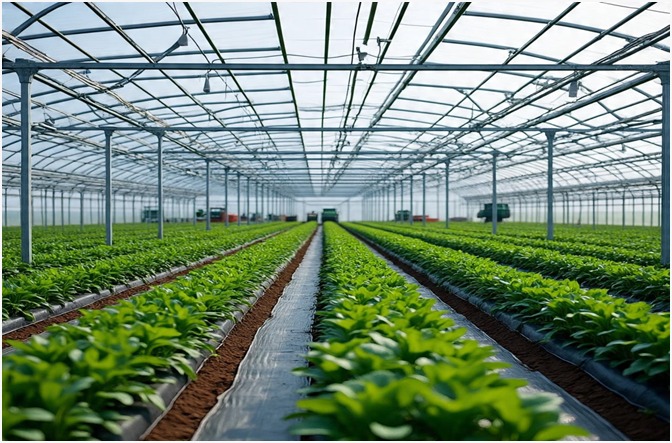
Polyhouse farming is a method of growing crops inside a specially constructed structure made of polyethylene sheets that allow light in but control temperature, humidity, and pests. It creates a controlled microclimate that boosts productivity and quality.
Benefits of Polyhouse Farming
- Higher Yield(5–10 times)
- Year-Round Production.
- Climate Resilience.
- Reduced Pest Attacks.
- Better Quality Crops.
- Efficient Resource Use.
Crops Grown in Polyhouse
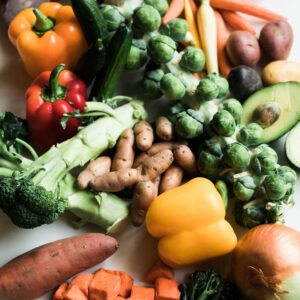
- Vegetables: Tomato, Capsicum, Cucumber, Lettuce
- Flowers: Gerbera, Carnation, Rose
- Fruits: Strawberry, Musk melon
- Herbs & Medicinal Plants: Tulsi, Mint, Aloe Vera
Types of Polyhouse Structures
Naturally Ventilated: Uses natural airflow and is cost-effective.
Climate-Controlled:(Hi-tech):Includes fans, foggers, sensors, and automation for precision
How to Start Polyhouse Farmin
- Land Selection: Well-drained, accessible area.
- Choose Crops Based on Market: Focus on high-value or off-season demand.
- Build Polyhouse Structure: Based on climate and budget.
- Install Irrigation and Fertigation: For precision input supply.
- Plant and Manage Crops: Use scientific methods for better output.
- Harvest and Sell Smartly: Target urban markets, hotels, exporters.
Government Subsidies for Polyhouse Farming
- National Horticulture Board (NHB) and MIDH provide up to 60% subsidy
- State governments offer extra support under schemes like Krishonnati Yojana
- Contact your District Horticulture Office/agriculture department or KVK to apply.
Profit in polyhouse Farming
A well-managed polyhouse of 1000 sq.m can earn ₹4–10 lakhs/year, depending on crops and market access. Though the investment is higher, returns are excellent due to off-season cultivation and premium crop quality.
Conclusion:
Polyhouse farming is a smart and sustainable solution for modern agriculture. Amid climate change and rising demand for quality produce, it offers high returns with government and agri-tech support—making it the right time for farmers to adopt it.