By Sanni September 1, 2025
Introduction
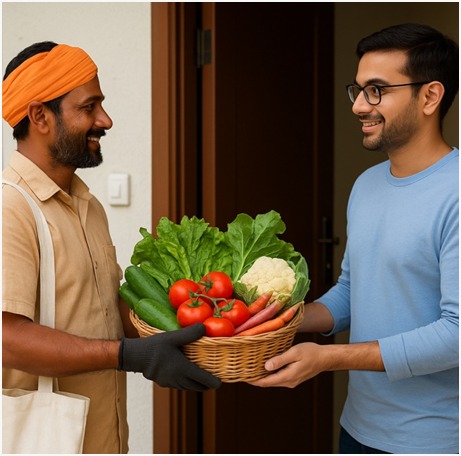
In today’s agriculture world, “Farm-to-Table” is more than just a trendy phrase; it’s a practical and profitable model that connects farmers directly to consumers without middlemen. For horticulture growers (fruits, vegetables, flowers, herbs), this system opens up a golden opportunity to earn more, build customer trust, and ensure freshness.
What is Farm-to-Table ?

The Farm-to-Table model involves delivering fresh, locally grown produce directly to consumers, restaurants, institutions, or retail stores bypassing traditional market chains. It gives an advantage:
- No middlemen
- Fresh produce
- Higher income for farmers
- More trust and transparency for buyers
Why is it Ideal for Horticulture Produce?
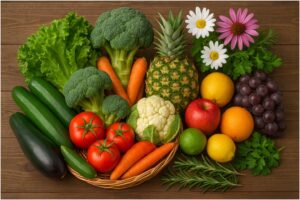
Horticultural products like fruits, vegetables, herbs, and flowers are:
- Highly perishable
- In demand daily
- Visually appealing and easy to sell locally
- Excellent for niche markets like organic, farm-fresh, or health-conscious buyers.
Benefits of Direct Selling to Consumers
- Higher Profit Margins
- By eliminating middlemen, farmers can earn 30–70% more than wholesale market prices.
- Customer Loyalty & Trust
- Regular buyers value transparency, freshness, and knowing where their food comes from.
- Reduced Wastage
- Less handling and storage = lower spoilage = more money saved.
- Brand Building
- You can build your own farm brand and reputation locally or online.
- Flexible Pricing & Control
- You decide what to sell, when, and at what price.
Ways to Implement Farm-to-Table Selling
- Farmers’ Markets & Weekly Haats
- Set up a stall at local markets and interact directly with consumers.
- Online Direct Orders (WhatsApp, Instagram, Website)
- Take orders online and deliver locally. Many farmers now use simple websites, Google Forms, or WhatsApp groups.
- Home Delivery Subscription Boxes
- Offer weekly “vegetable or fruit boxes” directly to homes. This creates a consistent customer base.
- Supplying to Restaurants & Cafes
- Partner with local chefs who need fresh, seasonal produce. Many prefer sourcing locally.
5.Farm Stores or Pick-Your-Own (PYO) Farms
- Open a small outlet on your farm or let customers visit and harvest themselves — a great tourism idea too!
Tools You Can Use for horticulture Produce selling.
- Google Forms: For order collection
- WhatsApp Broadcast List: For regular updates
- Paytm/UPI: For easy payments
- Instagram/Facebook: For visual storytelling
- Packaging Bags/Boxes: Branded eco-friendly packaging builds trust
Challenges and How to Overcome
Time-consuming: Hire local helpers or family support.
Low digital knowledge: Take free online courses (YouTube, Krishi Vigyan Kendra)
Customer trust: Use honest pricing and consistent quality
Conclusion
The Farm-to-Table model is a game-changer for small and medium horticulture farmers. It gives you better income, stronger customer connections, and control over your own produce. With simple tools and a bit of marketing, you can build a brand that people trust and food they love.
🌿 “Sell Fresh, Earn More, Stay Local.”