By Sanni February 4, 2026
In today’s fast-paced lifestyle, people are slowly reconnecting with nature and kitchen gardening is leading this green revolution. Whether you live in an apartment, a house with a backyard, or have a small terrace, kitchen gardening allows you to grow fresh, healthy, and chemical-free vegetables right where you live. Kitchen gardening is not just a trend; it is a sustainable lifestyle choice that promotes health, savings, and environmental responsibility.
What Is Kitchen Gardening?
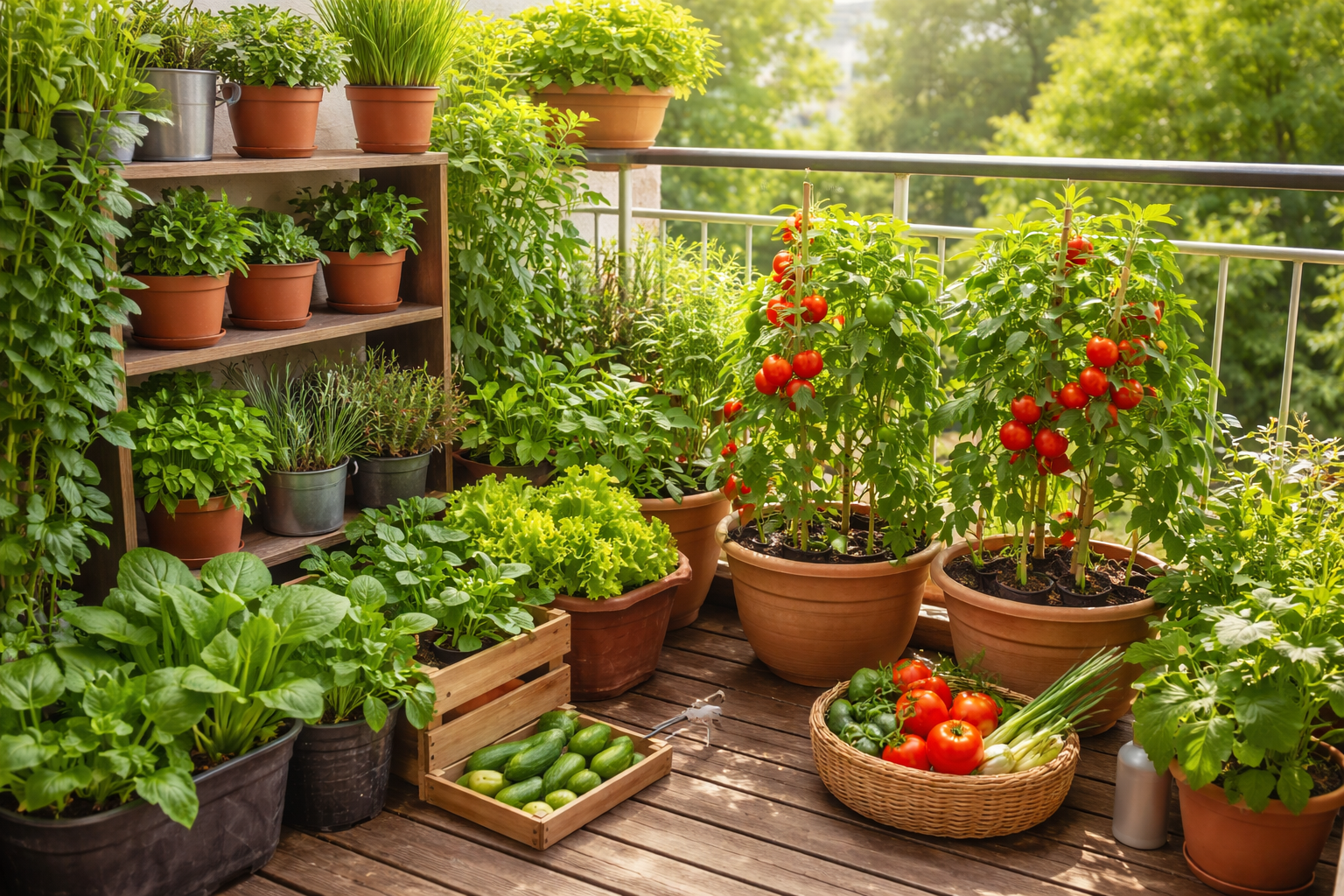
Kitchen gardening is the practice of growing vegetables, herbs, and sometimes fruits in or around your home using balconies, terraces, rooftops, backyards, or even windowsills. The main goal is to meet daily household vegetable needs with freshly harvested produce. From leafy greens to tomatoes and herbs, kitchen gardens can be customized based on space, climate, and personal food preferences.
Why Is Kitchen Gardening Becoming So Popular?
The popularity of kitchen gardening has increased rapidly due to several reasons:
- Rising concerns about pesticide-laden vegetables
- Increasing prices of fresh produce
- Growing awareness about healthy eating
- Limited space farming solutions for urban homes
- Stress-relieving and therapeutic benefits
Kitchen gardening empowers families to take control of what they eat while reducing dependence on market vegetables.
Best Places to Start a Kitchen Garden
You don’t need a large farm to begin. A kitchen garden can be created almost anywhere:
Balcony: Ideal for leafy vegetables, herbs, and tomatoes
Terrace/Rooftop: Perfect for larger containers and climber crops
Backyard: Suitable for seasonal vegetables and creepers
Window Sills: Great for herbs like mint and basil
Even a few pots can provide a surprising amount of fresh produce.
Containers and Soil Preparation
- Choosing the Right Containers
- Earthen pots (best for roots and airflow)
- Grow bags (lightweight and affordable)
- Plastic buckets or recycled containers (with drainage holes)
Ideal Soil Mix for Kitchen Gardening
A healthy soil mix ensures good plant growth:
- 40% garden soil
- 30% vermicompost or well-decomposed compost
- 20% cocopeat or river sand
- 10% dry leaf compost
This mixture provides nutrients, moisture retention, and proper aeration.
Best Vegetables for Beginners
If you are new to kitchen gardening, start with easy and fast-growing crops:
Fast-Growing Leafy Vegetables
- Spinach
- Fenugreek (Methi)
- Coriander
- Mustard greens
Easy Fruiting Vegetables
- Tomato
- Chili
- Okra (Ladyfinger)
- Eggplant
Climbers for Terrace or Backyard
- Bottle gourd
- Ridge gourd
- Pumpkin
These crops require minimal care and give good yields.
Sunlight and Water Management
Sunlight: Most vegetables need 5–6 hours of direct sunlight daily
Watering:
- Summer: Light watering daily
- Winter: Once every 2–3 days
Avoid overwatering, as it can cause root rot and fungal diseases.
Natural Pest Control in Kitchen Gardens
Chemical pesticides are not recommended for home gardens. Instead, use natural methods:
- Neem oil spray (3–5 ml per liter of water) every 7–10 days
- Garlic and chili extract spray
- Wood ash to control ants and crawling insects
These methods are safe, effective, and eco-friendly.
Benefits of Kitchen Gardening
Kitchen gardening offers multiple benefits beyond fresh vegetables:
- Saves 30–40% of monthly vegetable expenses
- Provides nutritious and chemical-free food
- Improves mental health and reduces stress
- Encourages children to learn about nature
- Supports sustainable and eco-friendly living
A small garden can create a big impact on health and happiness.
Common Mistakes to Avoid
- Overwatering plants
- Using poor-quality soil
- Ignoring sunlight requirements
- Overcrowding plants in one pot
- Using chemical fertilizers excessively
- Simple care and observation can prevent most problems.
Conclusion
Kitchen gardening is a simple yet powerful way to bring nature back into our daily lives. With minimal investment and space, anyone can enjoy fresh, healthy vegetables grown at home. Whether you are a beginner or an experienced grower, kitchen gardening offers health, happiness, and sustainability—all in one green package.