By Sanni September 1, 2025
Introduction
Modern agriculture is no longer just about soil and seeds, it’s about choosing the right tools and machines that make farming faster, smarter, and more profitable. With hundreds of options available in tractors, tillers, sprayers, harvesters, and high-tech tools like drones and sensors, how do you select the best equipment for your farm?
In this guide, we break down the “key factors” to consider before investing in farm machinery whether you are a small landholder, a commercial farmer, or an agri-entrepreneur.
Your Farm Size & Type
Your land size plays a critical role in equipment selection. According to your farm size suitable Equipment are given below:-
- Small (1–2 acres): Power tillers, mini tractors, manual seeders
- Medium(3–10acres):Compact tractors, rotavators, sprayers
- Large (10+ acres): Full-size tractors, harvesters, balers, drones
Avoid over-investing in heavy machines if your land is small it leads to higher maintenance costs and underutilization.
Match Equipment to Crop Type
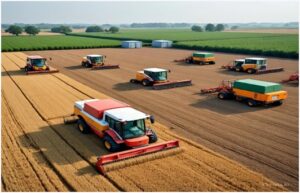
Not all equipment works for all crops. Choose machinery based on your main crops:
- Wheat, Paddy:- Combine harvesters, seed cum fertilizer drill, straw reapers
- Vegetables:- Precision planters, drip irrigation kits, mulching machines
- Fruits:- Orchard sprayers, pruning tools, cold storage units
- Cash Crops (cotton, sugarcane):- Inter-row cultivators, mechanical weeders
Multi-purpose equipment for farm
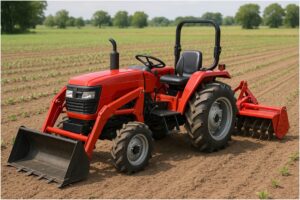
Farmers on a budget should look for multi-purpose equipment that can handle more than one task.This reduces capital investment and increases utility.
Example:
A “rotavator” can prepare soil, break clods, and mix organic matter all in one pass.
A “tractor” with the right attachments can plough, spray, and even haul produce.
Know the Total Cost of Ownership
Don’t just look at the purchase price evaluate the total cost over 3–5 years.
Checklist:
- Fuel consumption
- Maintenance frequency
- Spare parts availability
- Operator training needs
- Warranty & service coverage
Sometimes a slightly expensive model turns out cheaper in the long run due to lower running costs.
Consider Irrigation & Soil Conditions
Different equipment works better in different soil types and water availability: For different condition equipment suggestion are given below:
- Sandy Soil: Lightweight tillers, wide tires
- Clay Soil: Powerful rotavators, deep tillage tools
- Rain-fed Area: Manual/solar tools, low HP tractors
- Irrigated Fields: Power sprayers, drip kits
Go Smart: Digital & Automated Options
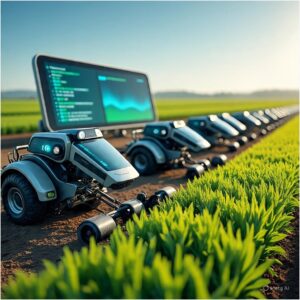
AgriTech is rising fast. Consider adopting: Soil sensors for monitoring nutrients, drones for aerial spraying and mapping, GPS-enabled tractors for precision farming, Mobile apps for irrigation & pest alerts etc. Although the initial investment may seem high, automation helps reduce labour needs and ensures more consistent crop yields.
Ask These 5 Questions Before Buying Any Equipment
- Is this machine compatible with my existing tools ?
- Are spare parts and service available locally ?
- Can I get a government subsidy or financing ?
- Is the brand reliable with good reviews ?
- Will I use it regularly or just seasonally ?
Look for Government Schemes & Subsidies
Indian farmers can save 30% to 70% on equipment under schemes like:
- SMAM(Sub-Mission on Agricultural Mechanization)
- PM-KUSUM (for solar sprayers)
- NABARD credit schemes
- State-level Agri Machinery Grants
Visit your local Krishi Vigyan Kendra (KVK) or the agriculture department to apply.
Consider Renting Instead of Buying
If the equipment is seasonal or costly (like harvesters, balers, drones), use:
- Custom Hiring Centres (CHCs)
- Apps like FARMart, EM3 Agri Services, DeHaat
- Local rental co-ops
This keeps capital free while enjoying modern tech.
Conclusion
Choosing the right farm equipment isn’t just a buying decision, it’s a business strategy. The right tools can double your yield, cut labour in half, and increase profits. But wrong choices lead to wasted money and frustration. So take your time, do the research, compare brands, and invest wisely. Farming is hard work but with the right equipment, it can be smart work too.