By Sanni September 1, 2025
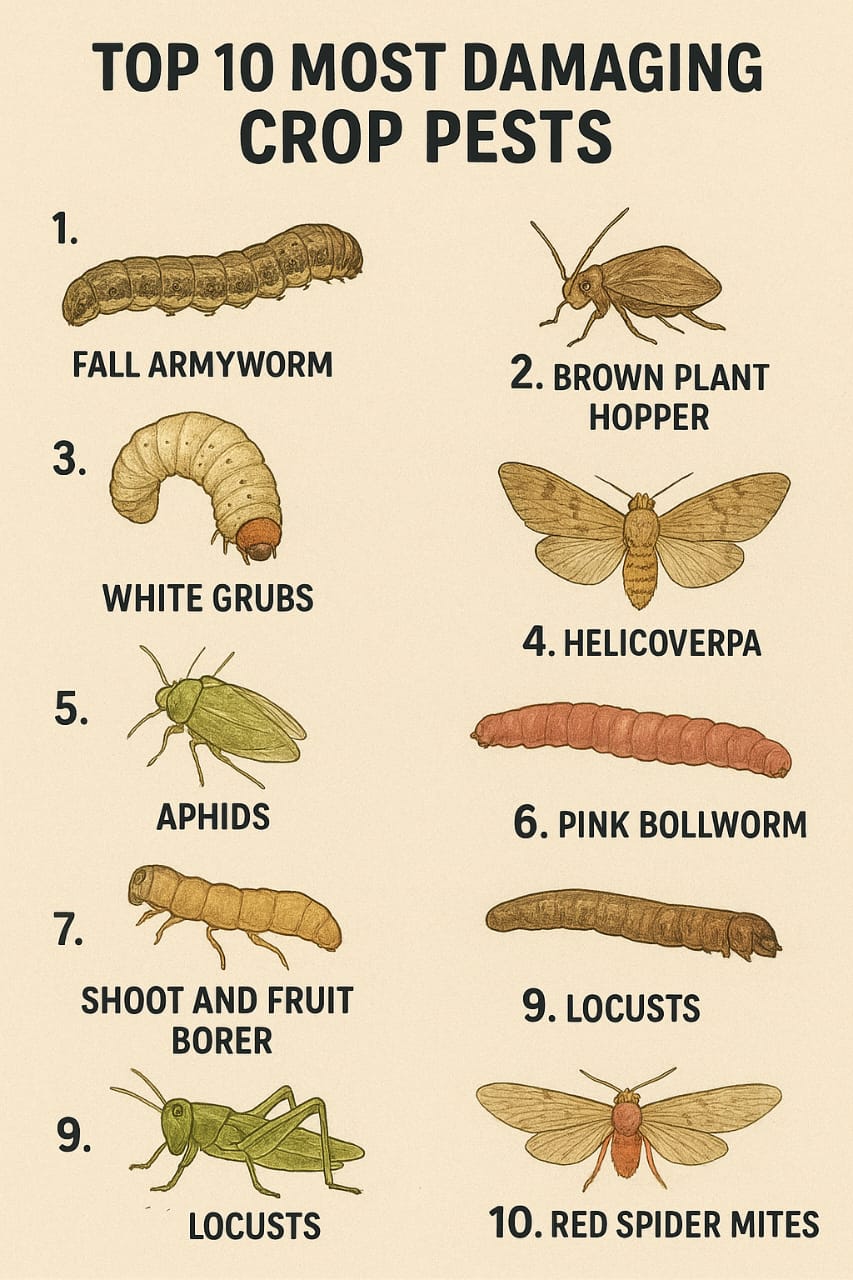
India’s agriculture faces one of its biggest challenges from crop-damaging pests, which cause losses worth thousands of crores annually. From sucking pests to borers, these enemies of farmers reduce yield, damage quality, and sometimes destroy entire crops. Here’s a list of the top 10 most destructive crop pests in India and how farmers can effectively control both traditional and modern crop protection strategies.
- Fall Armyworm (Spodoptera frugiperda)
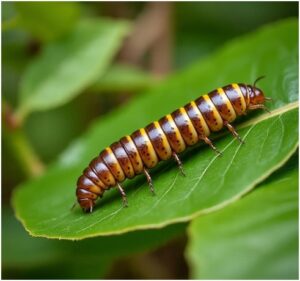
- Main Target: Maize, sorghum, rice, sugarcane
- Damage: Feeds on leaves, stems, and ears
- Control Measures:
Use of Neem oil or biological pesticides like Bacillus thuringiensis, Pheromone traps for monitoring, Intercropping with crops like cowpea
- Brown Plant Hopper (Nilaparvata lugens)
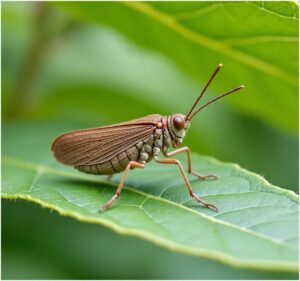
- Main Target: Paddy (rice)
- Damage: Sucks plant sap, causes “hopper burn”
- Control Measures:
Use resistant paddy varieties
Keep field drained and weed-free
Spray with Imidacloprid or Fipronil, under expert guidance
- White Grubs (Beetle larvae)
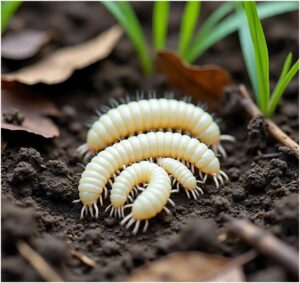
- Main Target: Sugarcane, groundnut, potato
- Damage: Feed on roots, reducing plant strength
- Control Measures:
Deep ploughing to expose larvae
Application of entomopathogenic fungi like Metarhizium anisopliae Neem cake application in soil
- Helicoverpa (Pod borer)
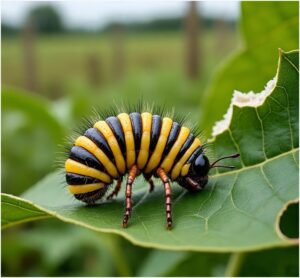
- Main Target: Cotton, chickpea, pigeon pea
- Damage: Bore into flowers and pods
- Control Measures:
Use of Helicoverpa NPV (Nuclear Polyhedrosis Virus)
Light traps & pheromone traps
Manual removal of infested pods
- Aphids
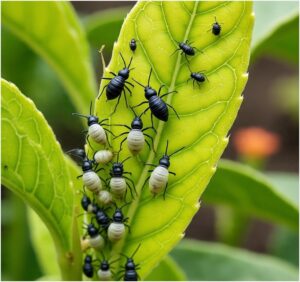
- Main Target: Mustard, beans, vegetables
- Damage: Sap sucking + virus transmission
- Control Measures:
Spray neem-based biopesticides
Encourage ladybird beetles (natural predators)
Avoid overuse of nitrogen fertilizers
6.Pink Bollworm (Pectinophora gossypiella)
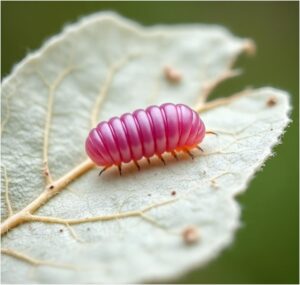
- Main Target: Cotton
- Damage: Feeds inside bolls, lowers yield & fiber quality
- Control Measures:
Destroy crop residue post-harvest
Use Bt cotton varieties with resistance
Pheromone trap-based mating disruption.
- Termites
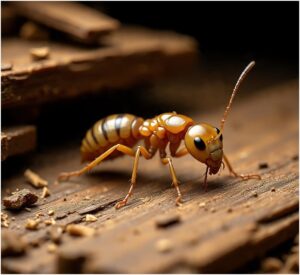
- Main Target: Wheat, sugarcane, groundnut
- Damage: Attack roots and stem base
- Control Measures:
Seed treatment with Chlorpyrifos
Field sanitation and avoid waterlogging
8.Shoot and Fruit Borer (Leucinodes orbonalis)
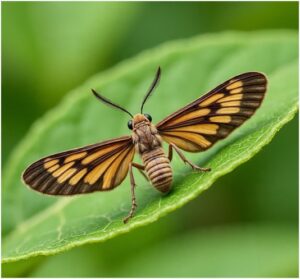
- Main Target: Brinjal (Eggplant)
- Damage: Bores into shoots & fruits
- Control Measures:
Remove and destroy infested shoots
Use sex pheromone traps
Spray biopesticides like Spinosad
- Locusts (Desert Locust)
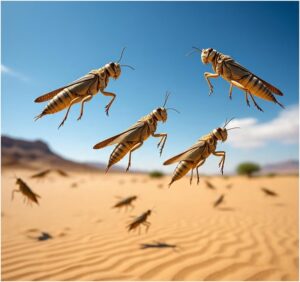
- Main Target: All crops in swarms
- Damage: Complete defoliation
- Control Measures:
Early detection with satellite surveillance.
Use Malathion or other government-recommended sprays during invasion.
Community-based coordinated control.
- Red Spider Mites
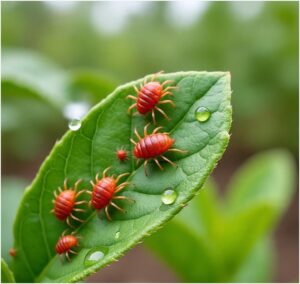
- Main Target: Tea, cotton, vegetables
- Damage: Leaf discoloration, webbing
- Control Measures:
Spray with wettable sulfur or miticides
Maintain humidity through regular watering in hot regions
General Pest Control Tips for Farmers
- Rotate crops regularly to break pest cycles.
- Clean field borders to reduce breeding grounds.
- Use biological control agents (e.g., Trichogramma, parasitoid wasps)
- Stay updated via government Krishi Vigyan Kendras (KVKs)
- Download mobile apps like Kisan Suvidha, AgriApp, or Plantix for crop protection advice.
Conclusion
Pests are a serious threat, but with timely action and sustainable crop protection methods, farmers can minimize damage and maximize profits. Awareness, community cooperation, and the adoption of eco-friendly technologies are the key to a pest-resilient future.